Delivering AI Solutions: From Prototype to Stable Product
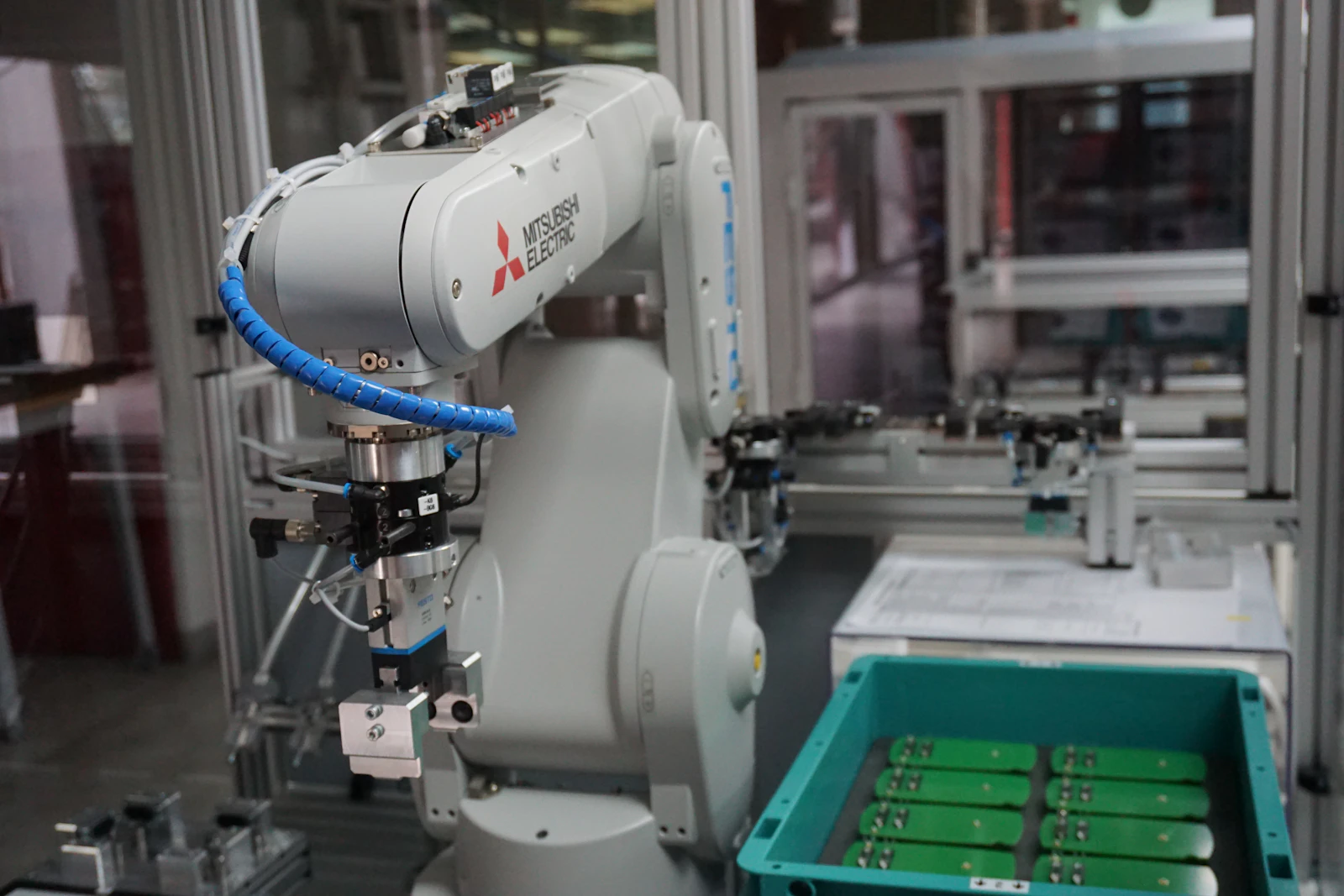
An AI prototype becomes a stable product when ownership and operation are settled before go-live and the business units adopt the changed workflow. The model itself is rarely the obstacle. What slows delivery is data quality, system integration and, above all, unclear ownership after the demonstration. This article describes a stage model for the handover, readiness questions for go-live and the decision paths that accelerate delivery.
How delivery fits into the whole route from idea to daily use is described in the article From pilot to scale.
How many AI projects make it into production?
According to estimates compiled in a RAND Corporation study, more than 80 percent of AI projects fail, twice the rate of IT projects without AI. The study draws on interviews with 65 experienced data scientists and engineers. The most frequent causes it names are a misunderstood business problem and missing data. Added to these are infrastructure that does not support running models, and initiatives that chase technology instead of a real problem.
The finding matches delivery practice. Prototypes are built under favorable conditions. The team works with cleaned sample data, the sponsor checks progress regularly, and difficult edge cases are set aside at first. In regular operation, these conditions disappear. Data arrives in the quality in which it is created day to day, executive attention moves to the next topic, and edge cases make up a large share of the actual work. The article Why AI pilots do not make it into operation describes the causes in detail.
Delivery means all the work between demonstration and reliable operation. It covers four areas:
- technical hardening of the solution under real loads and data qualities
- adapting the workflows into which the solution is embedded
- enabling users to work with the solution
- ongoing steering of quality and value
This work follows its own rules and needs its own owner. In effective organizations, a delivery manager or product owner takes on this role, combining budget and decision rights across technology and the business unit.
The stage model: five maturity levels to regular operation
A stage model makes the route plannable and gives the executive team a basis for decisions at every point. A division into five stages along the phases Understand, Build and Roll out has proven effective.
- Stage 1, value hypothesis: the use case is described with a target metric including a baseline, and a business case.
- Stage 2, prototype in the real workflow: the solution runs with real data for real users and demonstrates its value against the target metric.
- Stage 3, pilot with a pilot group: a pilot group uses the solution in day-to-day business, and the business unit has adapted the workflow and named a business owner. By the end of this stage, the six go-live readiness questions are answered.
- Stage 4, go-live with handover to operation: the solution goes live for the whole target group. It is documented and monitored, and an internal or external operating team has taken it over.
- Stage 5, regular operation with steering: usage and quality are measured continuously, the cost per application appears in reporting, and further development follows a fixed procedure.
Each stage ends with a release decision. At these points, the executive team decides whether an initiative continues or ends. The advantage lies in commitment: an initiative that misses stage 3 first gets work on the workflow and only then further technology budget. How several initiatives can be moved into regular operation in this way is shown in From pilot to scale.
When is an AI solution ready for go-live?
An AI solution is ready for go-live when it has demonstrated value against the target metric, a pilot group uses it in the real workflow and the six readiness questions are answered. The handover to operation follows.
AI solutions do not always give the same answer to the same input. Delivery therefore includes a test set of real cases that is run before every change. The business unit helps maintain this set, because it can judge what a good result is. Every solution also needs a fallback, a defined route by which work continues without the AI.
How long does it take from prototype to production?
From a convincing prototype to regular operation takes three to nine months. Three to four months are realistic when an operating model exists and the solution connects to few systems. Six to nine months are needed for initiatives with deep integration into legacy systems or a major change to the workflow in the business unit.
The time is spread across the stages. The pilot with a pilot group usually takes six to twelve weeks, because only over several weeks does it become clear whether usage holds steady. Go-live and handover take a further four to twelve weeks, depending on the number of users. Experience shows that the longest part is the work not planned before the pilot: access rights and interfaces as well as naming an operating team.
Roles and decision paths in delivery
An AI solution touches at least the business unit and IT, and often procurement and controlling as well. These interfaces are where the waiting times arise that delay an initiative. Four roles hold delivery together:
- The product owner prioritizes further development by value and owns the target metric.
- The delivery manager steers timelines and dependencies across teams and obtains approvals.
- The business owner in the unit ensures that the workflow is adapted and that users work with the solution.
- The operations owner is accountable for availability and introduces changes in a controlled way.
For every recurring decision, it is fixed in advance which person decides and who is consulted, for instance at go-live and when a solution is switched off. Settling this costs a workshop before the start and saves escalation in operation.
Measuring delivery progress and operating costs
Four metrics are enough to steer delivery per solution. The time between prototype release and productive use shows how smoothly the handover runs. The share of the target group using the solution regularly shows adoption. The hit rate against the test set shows quality, and the change in the target metric shows the value. These figures belong in reporting to the executive team.
Operating costs come on top. They consist of usage fees for models and infrastructure, the operating team, and ongoing quality assurance including further development. A rule of thumb from delivery practice applies to the budget: over the lifetime, rollout and operation cost at least as much as development. How these costs can be managed is described in Managing AI costs.
Niehues Consulting as a partner for delivery
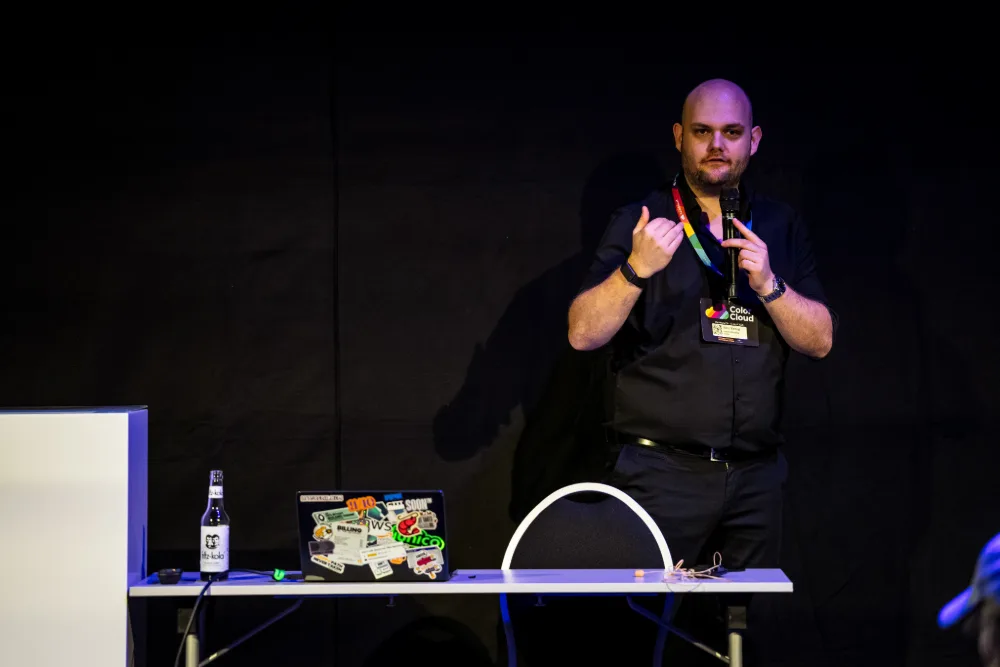
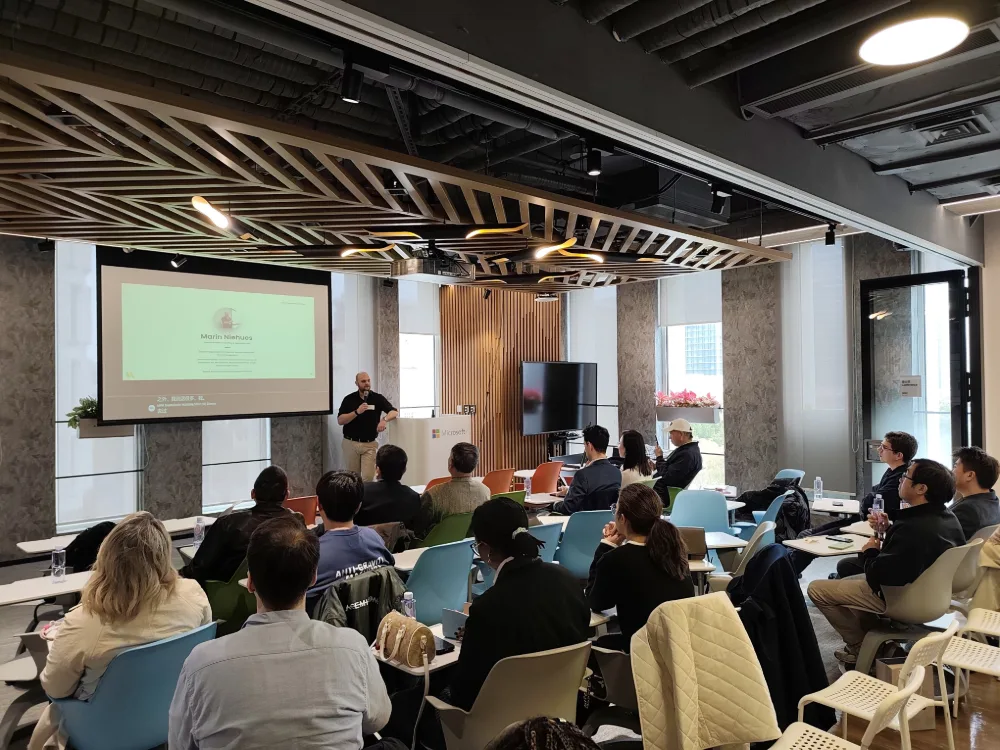
Niehues Consulting supports organizations in the transition from demonstration to regular operation. Founder Marin Niehues is a management consultant working from the delivery perspective: he builds organizations that deliver and brings AI into operation. His projects range from VC-funded scale-ups to DAX 40 groups, he has worked in 20+ countries on six continents, and his home base is the DACH region.
The approach follows the Niehues Delivery Model with the phases Understand, Build and Roll out. Three of its review questions matter most for delivery. In Build: does the prototype prove its value in the real workflow with real data? In Roll out: who owns operation from day one? And: which metric shows after 90 days that the solution is landing?
Prototypes that prove their value in the real workflow are the starting point. They are followed by maturing through to adoption by the business units and the transfer into operation with internal or external teams. As delivery manager, project manager or product owner, Marin Niehues steers initiatives himself and designs roles and decision paths so that the organization delivers reliably. A free 30-minute initial consultation clarifies which stage an initiative has reached and which handover comes next: Request an initial consultation.
Frequently asked questions
How long does it take to move from prototype to a stable product?
From a convincing prototype to regular operation takes three to nine months. With an existing operating model and few connected systems, three to four months are realistic; with deep integration into legacy systems, six to nine.
How many AI projects make it into production?
According to estimates compiled in a RAND Corporation study, more than 80 percent of AI projects fail, twice the rate of IT projects without AI. The causes lie mainly in understanding the problem, in the data and in operation. A stage model with release points and readiness questions before go-live addresses exactly these.
Who owns an AI solution after go-live?
A named product owner is responsible for value and further development, and an operations owner for availability. Both need budget and decision rights. A temporary project team disbands after go-live and is therefore unsuitable as a permanent owner.
How do you know a prototype is ready for production?
A prototype is ready for production when it has demonstrated value against the target metric, a pilot group uses it in the real workflow and the six readiness questions are answered. The handover to operation follows.
What is the difference between a proof of concept, a pilot and an MVP?
A proof of concept tests technical feasibility, usually without users. A pilot deploys the solution with a pilot group in day-to-day business and measures the impact. An MVP is the smallest scope that goes live for the entire target group.
How does delivering AI solutions differ from classic IT projects?
The results of an AI solution vary, and the data changes in operation. Delivery therefore includes a test set, ongoing quality measurement and a fallback. The business unit also takes responsibility for the workflow in which the solution is embedded.
What is a fallback for AI solutions?
A fallback is a defined route by which work continues if the AI solution fails or delivers faulty results. It sets out who triggers the fallback and how cases are handled without AI. It is defined before go-live and tested once during the pilot.
How much does it cost to run an AI solution?
Running an AI solution costs usage fees for models and infrastructure, the operating team, and ongoing quality assurance and further development. Over the lifetime, rollout and operation cost at least as much as development.
What is LLMOps?
LLMOps refers to the practices and tools for running applications built on large language models. It includes versioning of models and prompts, automated tests against a test set and monitoring of quality and cost in operation.
Let’s talk about your initiative.
In 30 minutes we clarify where your organization stands and which step will pay off most now.
Request a consultation30 minutes · free · no obligation